📋 Key Takeaways: Beginner Prayer Guide
- 5 Daily Prayers: Fajr (2), Dhuhr (4), Asr (4), Maghrib (3), and Isha (4 Rakat).
- 6 Pre-Conditions: Valid Wudu, clean clothes/spot, covered Awrah, prayer time entered, facing Qiblah, and intention.
- Essential Recitation: Surah Al-Fatiha is mandatory in every single Rakat.
- Tranquility (*Tuma'neenah*): Pausing calmly in each position (Ruku, Sujood, Standing) is a required pillar.
- Gradual Learning: Reverts and beginners may use phonetic cheat sheets or app audio while memorizing.
Quick answer: To pray Salah in Islam, stand facing the Qiblah with Wudu, say "Allahu Akbar", recite Surah Al-Fatiha and a short surah, bow in Ruku (Subhana Rabbiyal 'Azeem x3), stand upright, prostrate twice in Sujood (Subhana Rabbiyal A'la x3), recite Tashahhud in the final sitting, and finish with Tasleem to the right and left.
Salah: The Second Pillar and Heart of Islam
Salah (the Islamic ritual prayer) is the direct, intimate connection between a Muslim and their Creator. Performed five times daily, it anchors our life in spiritual peace, mindfulness, and gratitude. The Prophet Muhammad (peace be upon him) described Salah as the distinguishing mark of a believer and the first deed evaluated on the Day of Judgment (Sunan al-Tirmidhi 413).
For beginners and reverts, learning the sequence of Arabic phrases, physical postures, and Rakat counts can feel overwhelming at first. As an Al-Azhar trained educator with 12 years of experience teaching new Muslims, I assure you: learning Salah is a step-by-step journey, and Allah rewards your sincere effort at every stage. This comprehensive guide provides everything you need to start praying correctly today.
Salah 1-Rakat 6-Stage Master Flowchart

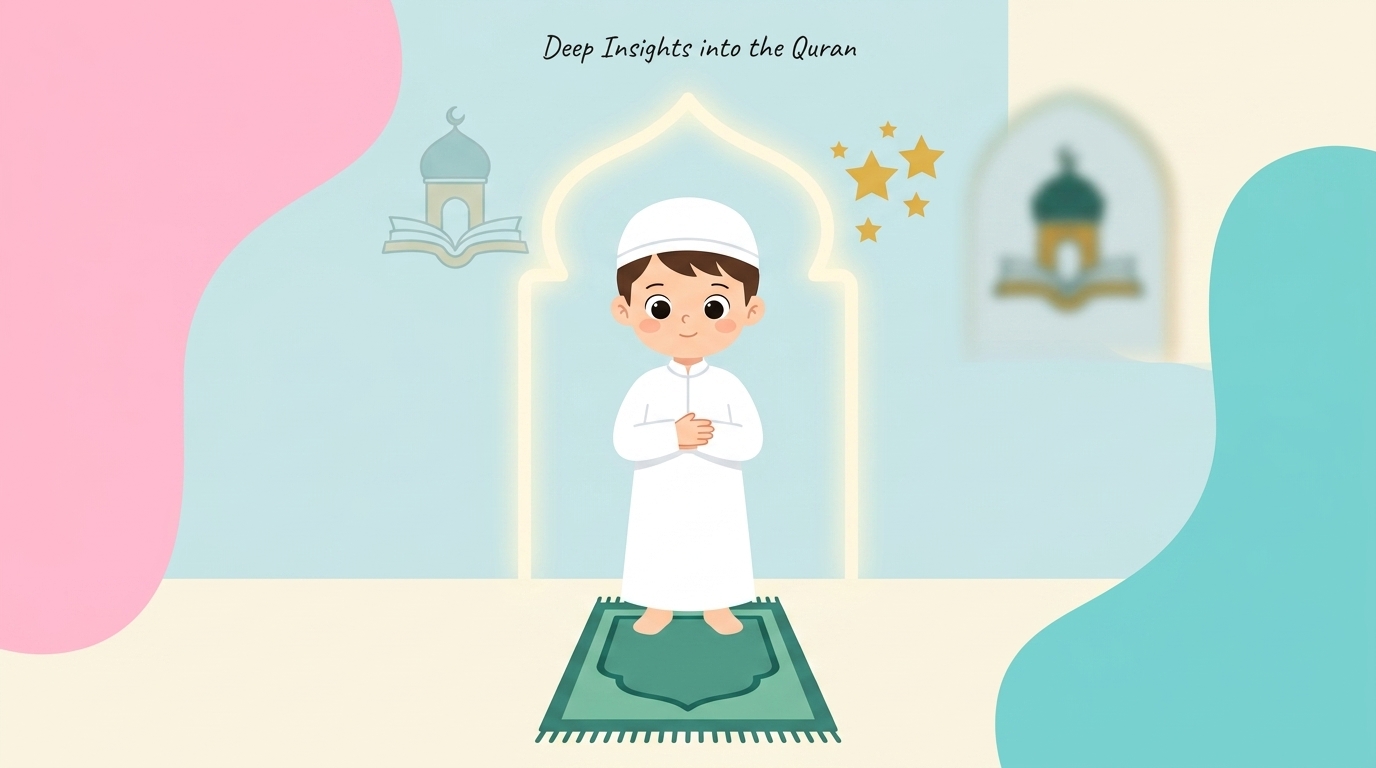

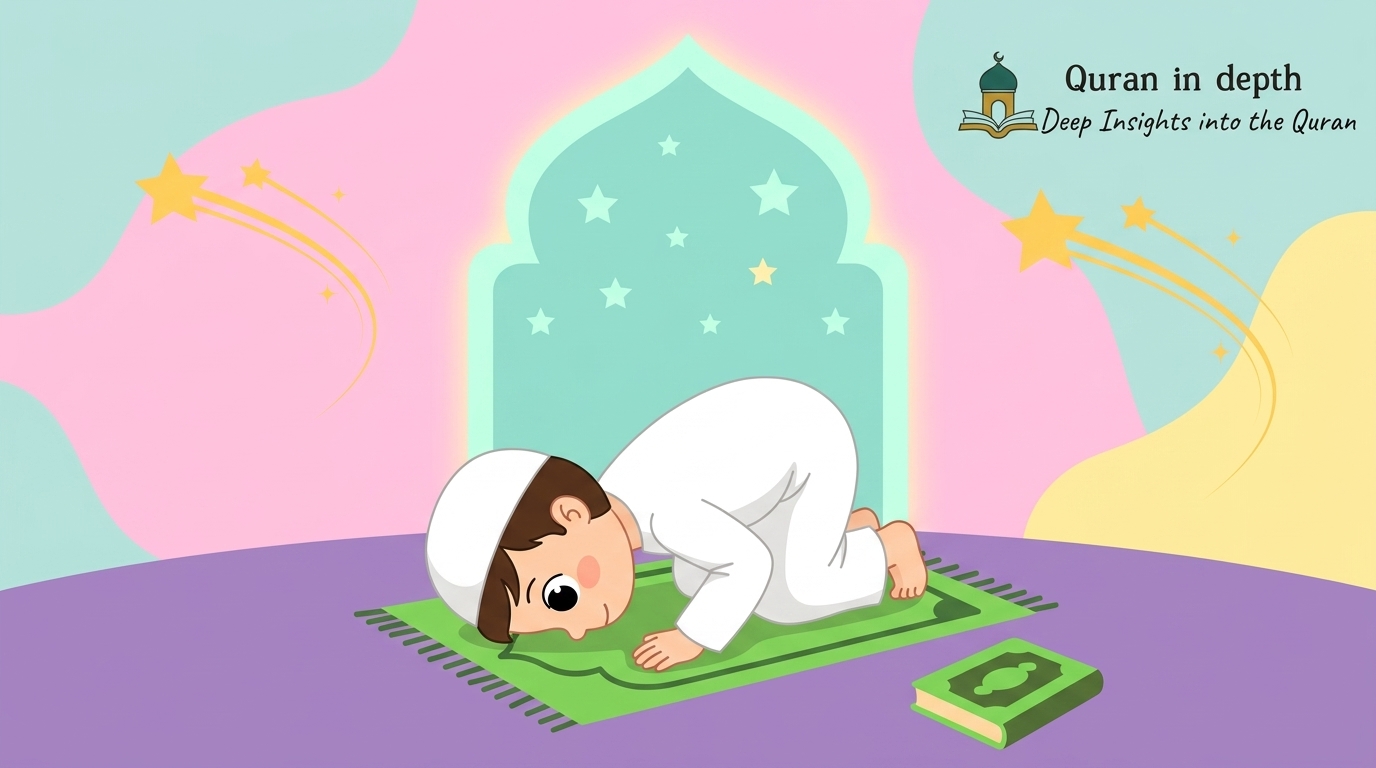


📌 Save this 6-stage flowchart to memorize the essential prayer movements. Master each posture with peaceful stillness (*Tuma'neenah*).
The 5 Daily Prayers & Obligatory (Fard) Rakat Table
Every Muslim is obligated to perform five daily prayers within their prescribed time windows:
| Prayer Name | Time Window | Fard (Obligatory) Rakat | Recitation Volume |
|---|---|---|---|
| 1. Fajr (Dawn) | From true dawn until right before sunrise | 2 Rakat | Loud (Audible) in both Rakat |
| 2. Dhuhr (Midday) | From after sun passes zenith until Asr | 4 Rakat | Silent in all 4 Rakat |
| 3. Asr (Afternoon) | From late afternoon until before sunset | 4 Rakat | Silent in all 4 Rakat |
| 4. Maghrib (Sunset) | From immediate sunset until twilight disappears | 3 Rakat | Loud in first 2, Silent in 3rd |
| 5. Isha (Night) | From nighttime darkness until midnight / Fajr | 4 Rakat | Loud in first 2, Silent in last 2 |
The 6 Prerequisites Before Starting Salah (Shuroot)
Before you step onto the prayer mat, ensure these six conditions are met:
- Taharah (Purification): You must have valid Wudu (ablution) or Ghusl if required.
- Cleanliness: Your body, clothes, and prayer spot must be free from physical impurities (*Najasah*).
- Covering the 'Awrah: Men must cover from navel to below knees (shoulders covered); women must cover their entire body except face and hands.
- Prayer Time Has Entered: You cannot pray before the designated time window begins.
- Facing the Qiblah: Face the direction of the Holy Ka'bah in Makkah. (Use our free Qibla Finder tool if needed).
- Niyyah (Intention): A silent, conscious intention in the heart specifying which prayer you are about to perform (e.g. 2 Rakat Fard of Fajr).
Step-by-Step Anatomy of 1 Rakat (Unit of Prayer)
1. Takbeerat al-Ihram (Opening Takbeer)
Stand straight, raise both hands to your earlobes (or shoulder level), and say:
اللَّهُ أَكْبَرُ
"Allahu Akbar"
"Allah is the Greatest."
2. Qiyam (Standing & Reciting Al-Fatiha)
Place your right hand over your left hand on your chest or below the navel. Look downward toward the spot where your forehead will touch during Sujood. Recite the opening supplication, then recite Surah Al-Fatiha (mandatory in every Rakat):
بِسْمِ اللَّهِ الرَّحْمَٰنِ الرَّحِيمِ الْحَمْدُ لِلَّهِ رَبِّ الْعَالَمِينَ الرَّحْمَٰنِ الرَّحِيمِ مَالِكِ يَوْمِ الدِّينِ إِيَّاكَ نَعْبُدُ وَإِيَّاكَ نَسْتَعِينُ اهْدِنَا الصِّرَاطَ الْمُسْتَقِيمَ صِرَاطَ الَّذِينَ أَنْعَمْتَ عَلَيْهِمْ غَيْرِ الْمَغْضُوبِ عَلَيْهِمْ وَلَا الضَّالِّينَ
Bismillaahir-Rahmaanir-Raheem. Alhamdu lillaahi Rabbil-'aalameen. Ar-Rahmaanir-Raheem. Maaliki Yawmid-Deen. Iyyaaka na'budu wa iyyaaka nasta'een. Ihdinas-Siraatal-Mustaqeem. Siraatal-ladheena an'amta 'alayhim, ghayril-maghdoobi 'alayhim wa lad-dhaalleen. (Ameen).
In the first 2 Rakat of any prayer, recite an additional short surah, such as Surah Al-Ikhlas:
قُلْ هُوَ اللَّهُ أَحَدٌ اللَّهُ الصَّمَدُ لَمْ يَلِدْ وَلَمْ يُولَدْ وَلَمْ يَكُن لَّهُ كُفُوًا أَحَدٌ
Qul Huwallahu Ahad. Allahus-Samad. Lam yalid wa lam yoolad. Wa lam yakul-lahu kufuwan ahad.
"Say, He is Allah, [who is] One. Allah, the Eternal Refuge. He neither begets nor is born, Nor is there to Him any equivalent."
3. Ruku (Bowing)
Say "Allahu Akbar" and bow forward at a 90-degree angle with a flat back, resting hands firmly on your knees. Say three times:
سُبْحَانَ رَبِّيَ الْعَظِيمِ
"Subhana Rabbiyal 'Azeem" (3 times)
"Glory be to my Lord, the Almighty."
4. Qawmah (Rising from Bowing)
Rise back upright until your spine is completely straight, saying:
سَمِعَ اللَّهُ لِمَنْ حَمِدَهُ — رَبَّنَا وَلَكَ الْحَمْدُ
"Sami' Allahu liman hamidah — Rabbana wa lakal hamd"
"Allah hears whoever praises Him — Our Lord, to You belongs all praise."
5. Sujood (Prostration — The Closest a Servant is to Allah)
Say "Allahu Akbar" and prostrate down onto the ground. Ensure all 7 bodily limbs firmly touch the floor: 1) Forehead and nose, 2 & 3) Both palms, 4 & 5) Both knees, 6 & 7) Toes of both feet pointed forward. Say three times:
سُبْحَانَ رَبِّيَ الأَعْلَى
"Subhana Rabbiyal A'la" (3 times)
"Glory be to my Lord, the Most High."
6. Jalsah (Sitting Between Two Prostrations)
Say "Allahu Akbar" and sit upright calmly on your left foot with right foot upright. Say:
رَبِّ اغْفِرْ لِي ، رَبِّ اغْفِرْ لِي
"Rabbighfir lee, Rabbighfir lee"
"My Lord, forgive me. My Lord, forgive me."
7. Second Sujood
Say "Allahu Akbar", prostrate a second time in the exact same manner, and repeat "Subhana Rabbiyal A'la" three times. This completes 1 full Rakat.
Tashahhud and Ending the Prayer (Tasleem)
In the sitting position after the 2nd Rakat (and final Rakat of any prayer), recite the Tashahhud:
التَّحِيَّاتُ لِلَّهِ وَالصَّلَوَاتُ وَالطَّيِّبَاتُ، السَّلَامُ عَلَيْكَ أَيُّهَا النَّبِيُّ وَرَحْمَةُ اللَّهِ وَبَرَكَاتُهُ، السَّلَامُ عَلَيْنَا وَعَلَى عِبَادِ اللَّهِ الصَّالِحِينَ، أَشْهَدُ أَنْ لَا إِلَهَ إِلَّا اللَّهُ وَأَشْهَدُ أَنَّ مُحَمَّدًا عَبْدُهُ وَرَسُولُهُ
At-tahiyyaatu lillaahi was-salawaatu wat-tayyibaat. As-salaamu 'alayka ayyuhan-Nabiyyu wa rahmatullaahi wa barakaatuh. As-salaamu 'alaynaa wa 'alaa 'ibaadillaahis-saaliheen. Ash-hadu an laa ilaaha illallaahu wa ash-hadu anna Muhammadan 'abduhoo wa rasooluh.
(Raise your right index finger when reciting the Shahada testimony: "Ash-hadu an laa ilaaha illallaahu...").
In the final sitting, follow with Salawat upon the Prophet (As-Salat al-Ibrahimiyyah) and conclude by turning your head over your right shoulder saying "Assalamu 'alaykum wa rahmatullah", then over your left shoulder repeating the same greeting.
Common Beginner Mistakes to Avoid in Salah
- Rushing Movements (Lack of Tuma'neenah): Salah is invalid if you do not pause completely still for at least one breath in Ruku, Sujood, and Jalsah.
- Lifting Feet During Sujood: Keep both sets of toes touching the floor throughout the entire prostration.
- Looking Around or Looking Up: Keep your gaze lowered toward your prostration spot to maintain Khushoo' (focus).
- Praying Too Fast: Recite with measured rhythm; Salah is a conversation with Allah, not a speed race.
Frequently Asked Questions (FAQ)
What are the 5 daily prayers and their Rakat counts?
Fajr has 2 Rakat, Dhuhr has 4 Rakat, Asr has 4 Rakat, Maghrib has 3 Rakat, and Isha has 4 Rakat. These are the obligatory (Fard) numbers prescribed in Islam.
Can I pray in English if I do not know Arabic yet?
Beginners who have not memorized Arabic yet should recite simple words of remembrance (SubhanAllah, Alhamdulillah, Allahu Akbar) while actively learning Surah Al-Fatiha in Arabic. Personal duas in Sujood may be made in English.
What are the 6 prerequisites (Shuroot) of Salah?
Valid Wudu, clean clothes and place, covered Awrah, entered prayer time, facing the Qiblah, and a sincere heart intention (Niyyah).
What should I do if I make a mistake in Salah?
Perform two prostrations of forgetfulness (Sujood as-Sahw) before or immediately after the final Tasleem.
Is reciting Surah Al-Fatiha mandatory in every Rakat?
Yes. The Prophet (PBUH) confirmed that no prayer is valid without reciting the Opening Surah (Al-Fatiha) in every single Rakat.
Conclusion: Build Your Daily Connection with Allah Today
Salah is not merely a daily obligation — it is your spiritual shield, your personal sanctuary from worldly anxiety, and your direct line to Allah SWT. Start today with whatever portion of Arabic you know. Hold a written cheat sheet beside your prayer mat if necessary. Allah rewards your effort, your humility, and your desire to draw closer to Him.
Want 1-on-1 personalized guidance to master Salah, Surah memorization, and Tajweed with native Al-Azhar scholars? Book a free trial lesson today.
Learn to Pray with an Al-Azhar Certified Scholar
Private 1-on-1 lessons for adults, kids, and reverts. Master Salah recitations and Tajweed step by step.
Book Your Free 1-on-1 Trial Lesson →