📋 Key Takeaways
- The Five Pillars constitute the practical foundation upon which a believer's entire spiritual life rests.
- Shahada is the intellectual and spiritual gateway: affirming Tawheed and the Prophethood of Muhammad.
- Salah is the daily spiritual lifeline: five structured appointments connecting creation to Creator.
- Zakat purifies wealth and guarantees social justice, compassion, and community solidarity.
- Sawm and Hajj train physical discipline, mental resilience, universal brotherhood, and spiritual renewal.
Quick answer: To learn pillars of Islam online easily, enroll in an introductory Islamic studies course covering Shahada (faith), Salah (daily prayer), Zakat (alms), Sawm (Ramadan fasting), and Hajj (pilgrimage) with step-by-step practical demonstrations and interactive scholar guidance.
The Architectural Foundation of Islamic Life
The Prophet Muhammad (peace be upon him) said: "Islam is built upon five pillars: testifying that there is no god worthy of worship except Allah and that Muhammad is the Messenger of Allah, establishing regular prayer, paying Zakat, making pilgrimage to the House, and fasting Ramadan." (Sahih Al-Bukhari).
Much like a sturdy building relies on weight-bearing columns to withstand harsh weather, your spiritual life relies on these five pillars. When you choose to learn pillars of Islam online, you move beyond abstract theology and gain practical mastery of daily worship, prophetic ethics, and inner peace.
Deep Dive: The Five Pillars of Islam
1. Shahada (The Declaration of Faith)
The Shahada is the intellectual and spiritual bedrock of Islam: "Ash-hadu an la ilaha illa Allah, wa ash-hadu anna Muhammadan rasul Allah" (I testify that none has the right to be worshiped except Allah, and I testify that Muhammad is the Messenger of Allah).
Understanding the Shahada means embracing pure monotheism (Tawheed)—the conviction that the Creator alone possesses absolute sovereignty, divine power, and perfection, free from partners, children, or intermediaries.
2. Salah (The Five Daily Prayers)
Salah is the personal meeting between servant and Lord occurring at five pivotal intervals: Fajr (dawn), Dhuhr (midday), Asr (afternoon), Maghrib (sunset), and Isha (night).
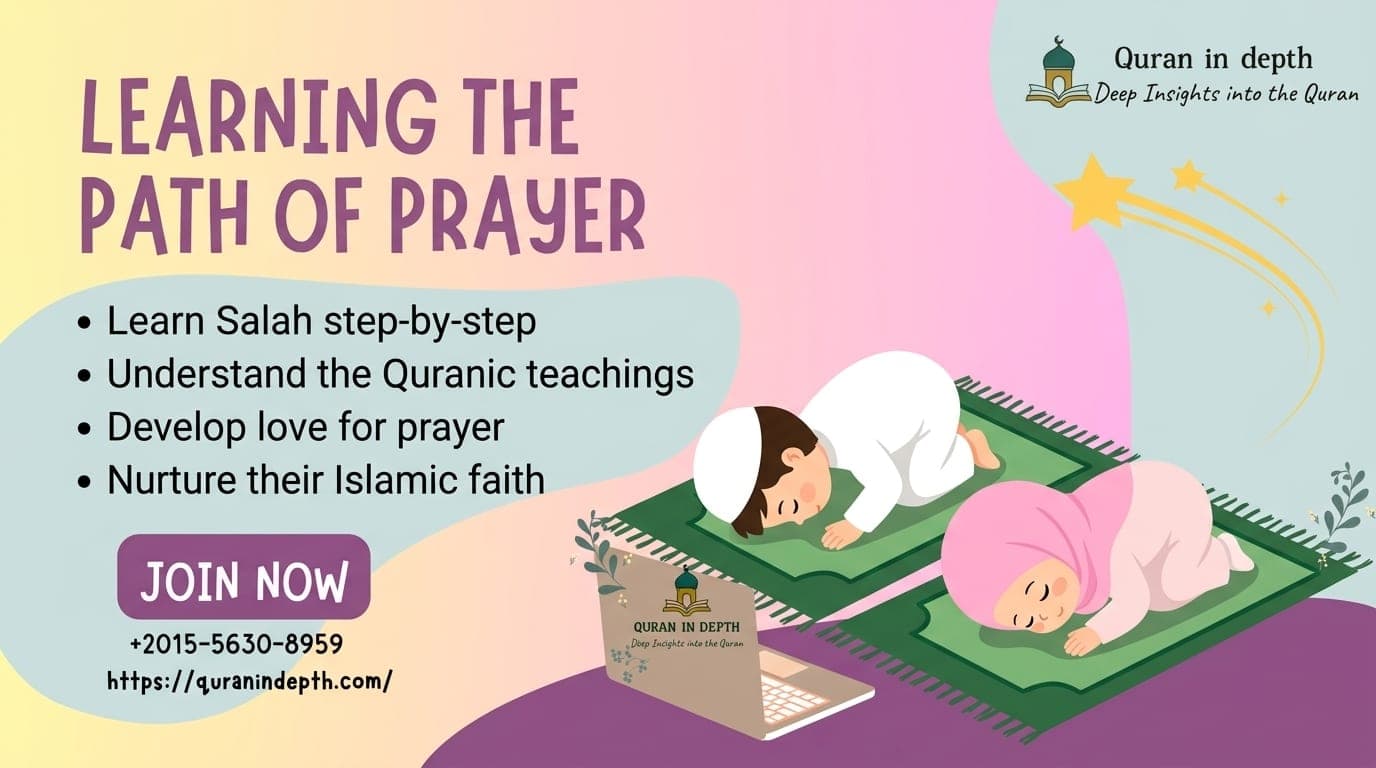
Learning Salah online involves step-by-step guidance in Wudu (purification), standing (Qiyam), bowing (Ruku), prostration (Sujud), and sitting (Jalsah), along with the correct pronunciation of Arabic supplications.
3. Zakat (Purifying Obligatory Charity)
Islam views wealth not as personal entitlement, but as a divine trust. Every adult Muslim whose savings exceed the threshold of wealth (Nisab) for one lunar year gives 2.5% of their surplus to the vulnerable and destitute.
Zakat protects society from economic inequality, cleanses the heart from greed, and spreads empathy and dignified mutual support throughout the Ummah.
4. Sawm (Fasting the Blessed Month of Ramadan)
From dawn until sunset throughout Ramadan, believers abstain from food, drink, and marital relations. Far from mere physical hunger, Sawm is a spiritual incubator that cultivates Taqwa (God-consciousness), gratitude, and self-restraint.
Students learn the spiritual etiquettes of Suhur and Iftar, how to make the most of Laylat al-Qadr (the Night of Power), and the conditions for exemptions (illness, travel, pregnancy).
5. Hajj (The Sacred Pilgrimage to Makkah)
Hajj is required once in a lifetime for every Muslim who has the physical health and financial means. Millions of believers gather in simple white unstitched garments (Ihram) in the plains of Arafat, shedding all worldly distinctions of race, nationality, and wealth.
Comparison: The 5 Pillars of Islam at a Glance
| Pillar | Frequency | Spiritual Focus | Primary Practical Action |
|---|---|---|---|
| 1. Shahada | Constant / Foundation | Pure Monotheism (Tawheed) | Verbal testimony & sincere belief |
| 2. Salah | 5 Times Daily | Divine Connection & Humility | Wudu, bowing, prostration, & recitation |
| 3. Zakat | Annual (on surplus savings) | Purification & Social Justice | Distributing 2.5% to designated poor |
| 4. Sawm | One Month (Ramadan) | Self-Restraint & Empathy | Fasting dawn-to-dusk & extra worship |
| 5. Hajj | Once in a Lifetime (if able) | Universal Unity & Total Submission | Tawaf, Sa'i, standing at Arafat |
Why Study Islamic Foundations Online with Quran In Depth?
Whether you are a new revert embracing the beauty of Islam, a parent wishing to instill true Islamic manners in your children, or an adult reconnecting with your faith, having a qualified, supportive teacher makes all the difference.
Our certified Al-Azhar instructors teach with warmth, wisdom, and patience. We remove feelings of embarrassment, answer your deepest questions about contemporary Muslim life, and help you establish joyful, consistent worship in your home.
Frequently Asked Questions (PAA)
What are the Five Pillars of Islam?
The Five Pillars of Islam are: 1) Shahada (declaration of faith); 2) Salah (five daily prayers); 3) Zakat (obligatory charity for the poor); 4) Sawm (fasting during the holy month of Ramadan); and 5) Hajj (pilgrimage to Makkah once in a lifetime for those able).
Can new Muslims or reverts learn the pillars of Islam online?
Yes, online Islamic studies courses offer gentle, supportive 1-on-1 mentorship for new Muslims, teaching prayer movements, Arabic pronunciation of Adhkar, Wudu steps, and essential beliefs in a non-judgmental atmosphere.
How are the pillars of Islam taught to young children?
Children learn through illustrated storytelling, interactive prayer posture diagrams, Ramadan good-deed charts, and engaging activities that make Islamic manners and spiritual love intuitive and enjoyable.
What is the difference between the Pillars of Islam and the Pillars of Iman?
The Five Pillars of Islam are physical acts of worship and obedience, while the Six Pillars of Iman (Faith) are internal theological beliefs in Allah, His Angels, His Books, His Messengers, the Last Day, and Divine Decree.
How long does it take to master prayer (Salah) through online classes?
Most students learn Wudu, prayer timings, physical postures, and the basic Arabic recitations (Surah Al-Fatiha and Tashahhud) within 2 to 4 weeks of dedicated guided practice.
Deepen Your Faith with Authentic Islamic Knowledge
Connect with patient, knowledgeable Islamic scholars who will guide you and your children through the beauty of Islamic practice from home. Book your free trial today.
Schedule Your Free Islamic Studies Trial →