Choosing a balanced islamic studies curriculum for children is one of the most vital responsibilities for Muslim parents raising a family in today's digital world. A structured syllabus protects a child's Fitrah, builds confident moral resilience, and instills genuine love for Allah and Prophet Muhammad (PBUH).
If you ask voice search "What should be included in an Islamic studies curriculum for children?", the essential answer is: A comprehensive curriculum must balance five pillars: gentle Aqeedah (faith), practical Salah (worship), Prophet Seerah, daily Sunnah Adhkar, and Islamic Adab (manners and social ethics).
At Quran In Depth, our Al-Azhar university scholars developed a proven, age-appropriate syllabus designed specifically for Muslim youth living across the US, UK, Canada, Europe, and the GCC.
The 5 Essential Pillars of a Strong Child Tarbiyah Curriculum
An authentic, balanced syllabus goes far beyond mere memorization; it shapes how a child thinks, behaves, and treats others:
- 1. Pure Aqeedah (Foundational Beliefs): Understanding Allah through His beautiful 99 Names, His mercy, angels, holy books, prophets, and the Day of Judgment in simple, uplifting terms.
- 2. Practical Ibadah (Fiqh of Worship): Step-by-step Wudu, Salah movements, recitation, conditions, and the spiritual beauty of fasting Ramadan and giving Sadaqah.
- 3. Seerah & Stories of the Prophets (Qasas Al-Anbiya): The inspiring lives of Prophet Ibrahim, Musa, Isa, and the noble character of Prophet Muhammad (PBUH) highlighting compassion, courage, and honesty.
- 4. Daily Adhkar & Duas: Practical supplications for waking up, eating, leaving home, entering the masjid, seeking protection, and showing gratitude.
- 5. Akhlaq & Islamic Adab (Character & Ethics): Respect for parents, kindness to neighbors, truthfulness, anti-bullying values, humility, and positive Muslim citizenship.
Age-Appropriate Milestones: Child Islamic Studies Curriculum
Children comprehend spiritual concepts through different developmental stages. Here is our recommended syllabus breakdown:
| Age Group | Core Focus Areas | Expected Learning Outcomes |
|---|---|---|
| Ages 4–6 (Early Years) | Allah is our Creator, 5 Pillars song, Bismillah & Alhamdulillah habits | Instinctive love for Allah and cheerful participation in family prayers |
| Ages 7–10 (Primary) | Complete Wudu & 5 daily prayers, Seerah highlights, 20 essential daily Duas | Independent Salah performance and strong empathy grounded in Sunnah |
| Ages 11–14 (Middle School) | Fiqh of Taharah, Halal & Haram dietary rules, peer pressure & online ethics | Confidence in Muslim identity amidst Western school environments |
| Ages 15+ (Youth & Teens) | Contemporary doubts, comparative religion, modern ethical dilemmas & leadership | Unshakable intellectual conviction and active community leadership |
Why Structured 1-on-1 Online Mentorship Outperforms Weekend Schools
While traditional weekend Sunday schools offer social interaction, crowded classrooms often leave shy students behind. In contrast, 1-on-1 personalized mentorship at Islamic Studies for Kids Online ensures each child can ask private questions without embarrassment.
Our certified Al-Azhar scholars provide tailored emotional support, adapting the lesson pace to your child's personality and answering sensitive questions about modern school life with scholarly wisdom and gentle encouragement.
Frequently Asked Questions (People Also Ask)
What is the most important subject in an Islamic studies curriculum for children?
Aqeedah (sound Islamic creed) rooted in the love and mercy of Allah is the most vital foundation. When children know that Allah loves them and watches over them with infinite mercy, observing Salah and practicing good character follows naturally.
How do I choose the best Islamic studies syllabus for home learning?
Look for a curriculum vetted by recognized Islamic institutions like Al-Azhar University that features colorful illustrations, authentic Hadith references, and interactive discussions rather than outdated rote memorization.
At what age should children start learning the details of Salah?
Children should be introduced to observing and copying family prayer from ages 4 to 6. Following the Prophetic Sunnah, formal instruction on full Wudu and regular Salah prayer timings begins at age seven.
How can we make Islamic studies enjoyable for kids at home?
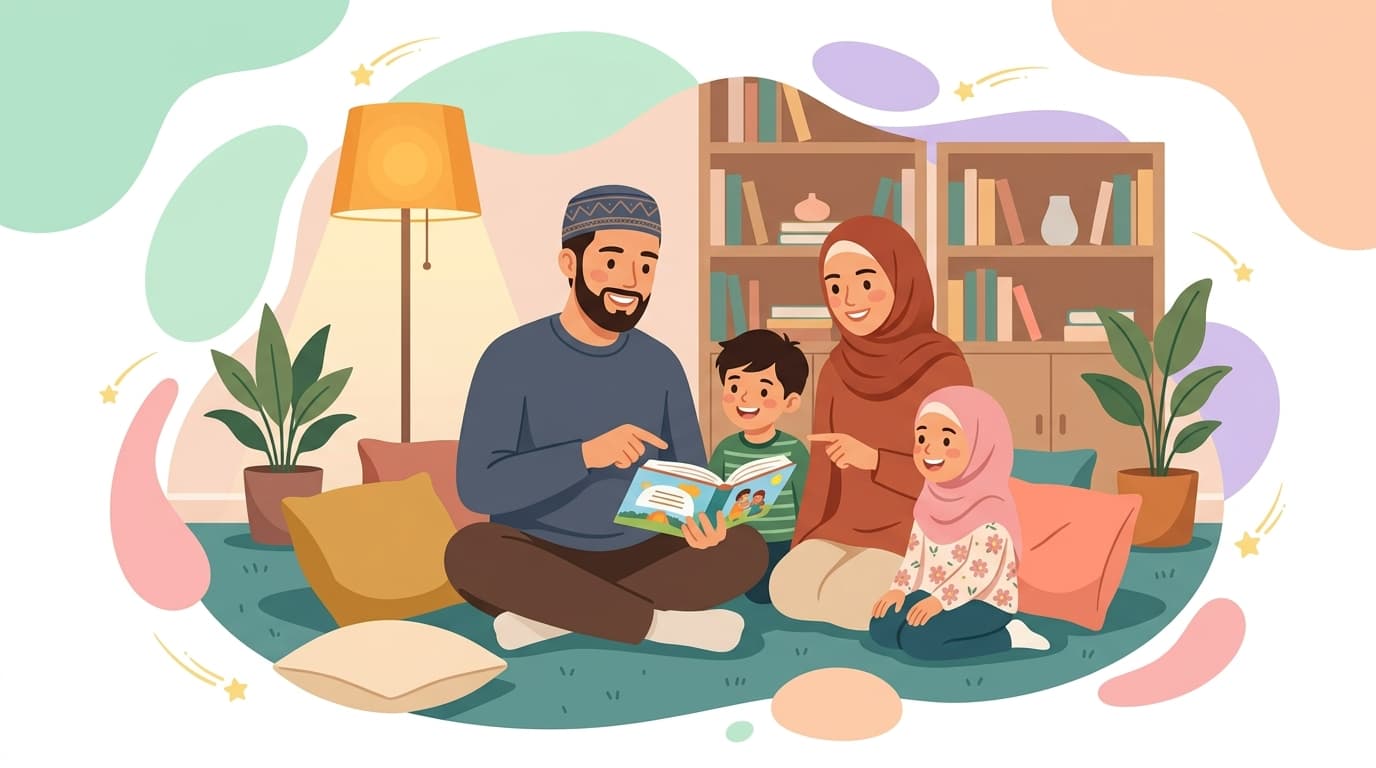
Incorporate Islamic trivia quizzes, storybook bedtime routines, role-playing Prophet stories, and rewarding good character with praise and stickers rather than turning religious studies into a stressful chore.
Can Islamic studies classes be combined with Quran and Arabic?
Yes. At Quran In Depth, many families combine Quran recitation with 15 minutes of interactive Islamic studies and Arabic conversation in customized 45-minute or 60-minute 1-on-1 private sessions.
Nurture Your Child's Islamic Foundation Today
Give your children authentic Islamic Tarbiyah with certified Al-Azhar scholars in safe, engaging 1-on-1 sessions.