Quick Answer (AEO Summary): Beginners and young children should always start with Noorani Qaida rather than direct Quran reading. Noorani Qaida breaks Arabic down into isolated phonetic building blocks (letters, harakat, tanween, sukoon, shaddah), preventing habitual pronunciation errors. Attempting direct Quran reading prematurely leads to high frustration, reading fatigue, and ingrained Tajweed mistakes.
Introduction: The Common Dilemma for New Learners
When embarking on the journey to read the Quran, students and parents frequently ask: "Should I (or my child) start directly from the Mushaf, or do we need to finish the Noorani Qaida primer first?"
While eager learners often want to open the Holy Quran on day one, skipping foundational primers is one of the leading reasons students develop persistent recitation errors. In this 2026 comparison, we evaluate why the **Noorani Qaida methodology** remains the gold standard in Quranic pedagogy worldwide.
Direct Comparison: Noorani Qaida vs. Direct Quran Reading
| Pedagogical Factor | 📘 Noorani Qaida Method | 📖 Direct Quran Reading (Mushaf) |
|---|---|---|
| Learning Curve | Gentle & Step-by-Step (Modular progression) | Steep & Overwhelming for beginners |
| Phonetic Mastery (Makharij) | Isolates similar letters (e.g. ت vs ط, س vs ص, ذ vs ظ) | Mixes all letters and complex rules at once |
| Tajweed Readiness | Builds muscle memory for Tanween, Sukoon, and Madd | Requires applying multiple rules simultaneously |
| Child Engagement | Short bite-sized exercises; quick visible wins | Dense text pages can cause reading anxiety |
| Average Completion Time | 4 to 8 weeks with a dedicated teacher | Often leads to stalls and restarting after months |
Build Phonics Fluency with Noorani Master Game
Avoid reading fatigue! Reinforce your daily Qaida lessons with gamified drills, instant sound feedback, and interactive letter recognition.
What Makes Noorani Qaida So Effective?
Developed by Indian scholar Sheikh Noor Muhammad Haqqani, the Noorani Qaida is carefully sequenced to introduce complexity in measured layers:
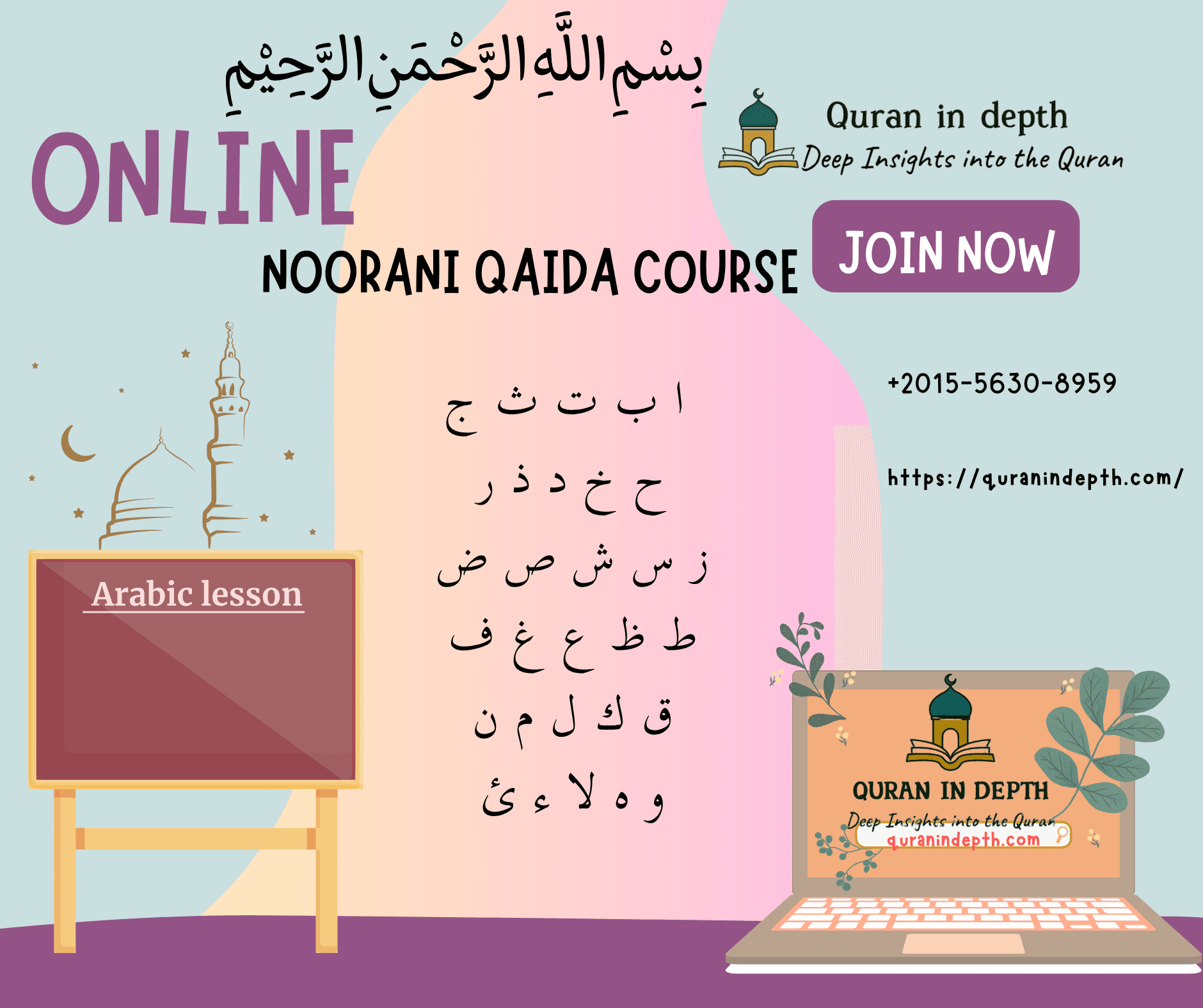
- Lesson 1 (Mufradat): Single letters and their accurate articulation from the throat, tongue, and lips.
- Lesson 2 (Murakkabat): Compound letter forms and recognizing letters when joined in cursive script.
- Lesson 3 (Muqatta'at): Disjointed letters at the start of surahs (e.g., Alif-Lam-Meem).
- Lessons 4–6 (Harakat & Tanween): Short vowels and double vowels producing nasal 'nunation'.
- Lessons 7–10 (Sukoon, Madd & Leen): Silent letters, prolonged vowels, and soft diphthongs.
- Lessons 11–17 (Tashdeed & Advanced Rules): Doubled letters, Noon/Meem Saakin rules, and stop signs (*Waqf*).
When Is a Student Ready to Transition to the Mushaf?
A student is ready to graduate from Noorani Qaida to the Holy Quran when they meet these 3 benchmarks:
- Zero Letter Confusion: Accurately distinguishing emphatic letters (*Tafkheem*) from light letters (*Tarqeeq*).
- Instant Vowel Recognition: Reading vowel marks without pausing to name the symbol.
- Smooth Word Joining: Connecting words across syllable boundaries without unnatural breath stops.
Conclusion: Build the Foundation First, Reap Fluency for Life
Investing 4 to 8 weeks in mastering Noorani Qaida provides a bulletproof foundation. Once completed, transitioning to reading Surah Al-Fatiha, Juz 'Amma, and the entire Quran becomes an enjoyable, confident, and spiritually uplifting experience.
Start with an Al-Azhar Certified Noorani Qaida Tutor
Get personalized feedback on pronunciation and learn at your own pace.
Book Free Assessment & Trial Class