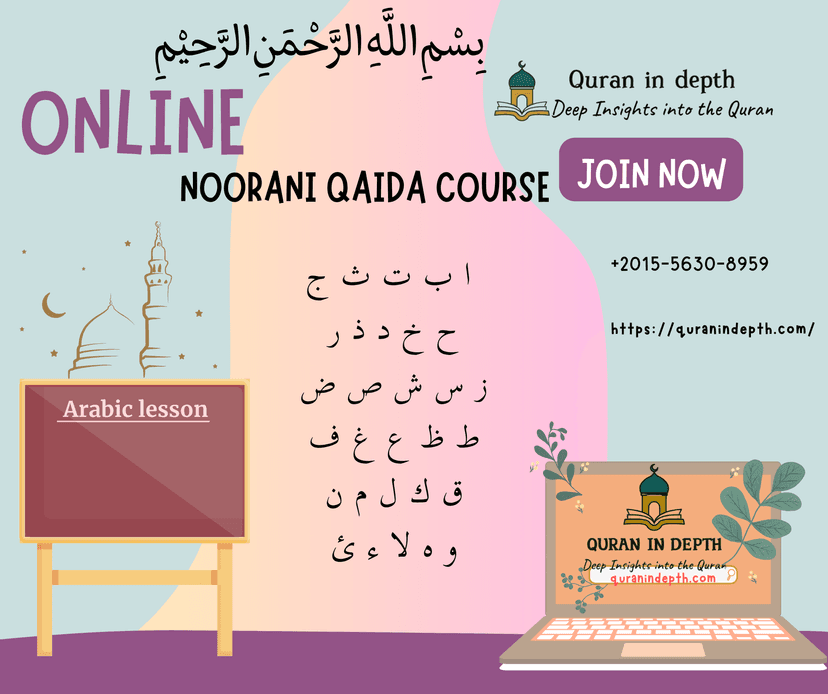
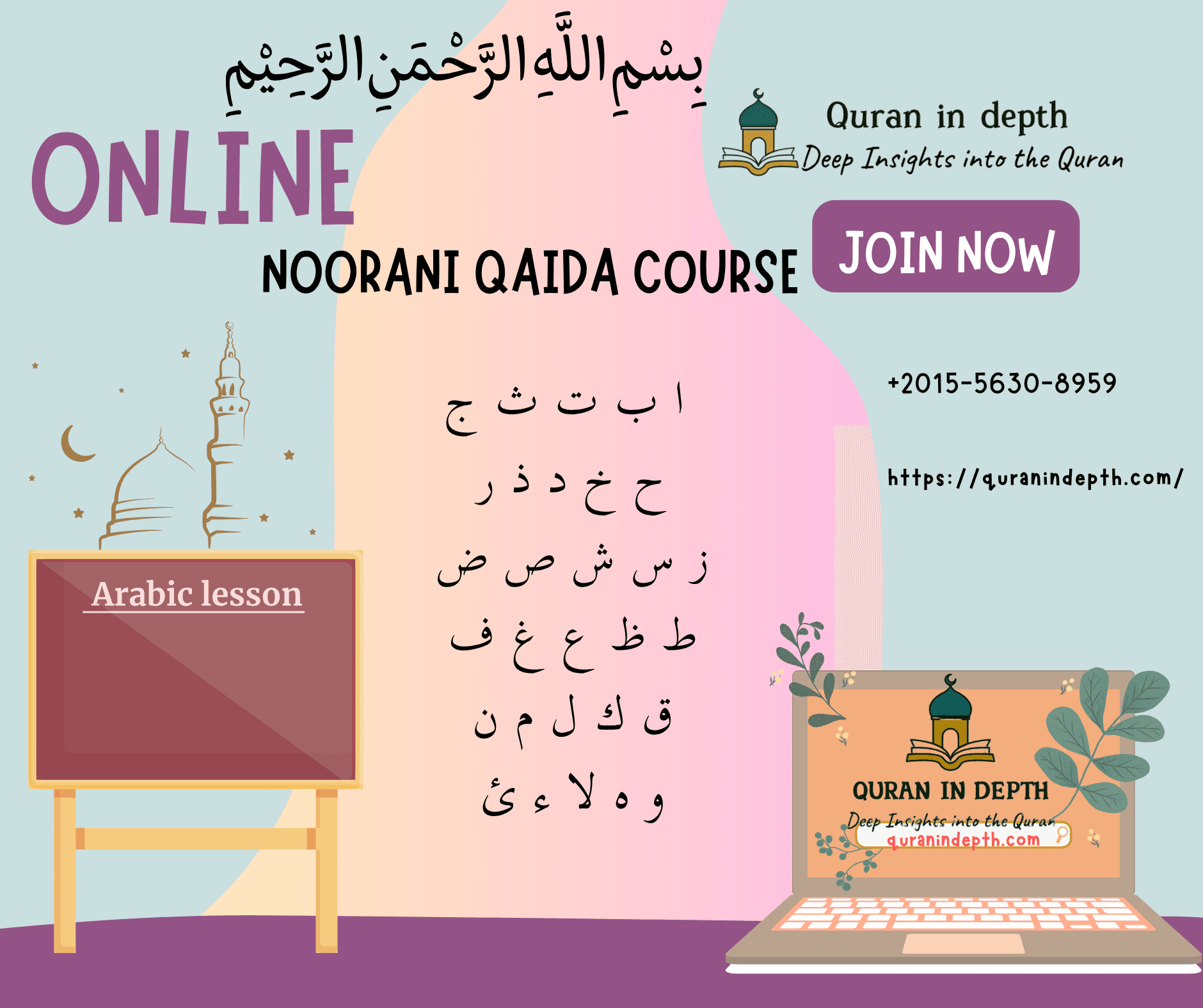
Looking for a complete Noorani Qaida PDF and audio guide to learn Quran reading from scratch? The Noorani Qaida is the world's most trusted 17-lesson phonetic curriculum for mastering Arabic letters, Makharij (articulation points), and Harakat (short vowels). In 2026, modern learners no longer rely solely on static paper books; pairing a printable PDF with interactive companion games and verified audio accelerates reading fluency by up to 300%.
Direct Answer for Learners: The standard Noorani Qaida contains 17 sequential lessons taking you from individual Arabic alphabet shapes to fluent Quranic words. You can download our verified, typo-free PDF below, or practice in real-time using our free browser-based Noorani Master Game and Interactive Audio Player.
Don't Just Read the PDF — Play Noorani Master!
Static PDFs can feel repetitive for young children and busy adult beginners. Turn your daily phonics practice into an exciting adventure with instant sound feedback, score streaks, and interactive letter puzzles.
Download the Complete 17-Lesson Noorani Qaida (HD Printable PDF)
Crystal-clear Naskh typography with color-coded Tajweed rules, vowel markers, and lesson drills. Want it sent straight to your phone?
What the 17-Lesson Noorani Qaida Curriculum Contains
The standard Noorani Qaida curriculum was engineered by Sheikh Noor Muhammad Haqqani to methodically build phonemic awareness. Each lesson isolates one phonetic rule before combining it with others:
- Lesson 1 (Pages 1–4): The 29 individual Arabic alphabet letters (Mufradat). Focuses on exact articulation points (Makharij) without vowels.
- Lessons 2–3 (Pages 5–8): Compound and connecting letter shapes (Murakkabat). Students learn initial, medial, and final letter forms across different Arabic calligraphy scripts.
- Lessons 4–6 (Pages 9–11): The Muqatta'at (disjointed letters in the Quran) and introduction of short vowels (Harakat): Fathah (ـَ), Kasrah (ـِ), and Dammah (ـُ).
- Lessons 7–9 (Pages 12–14): Soft letters (Huroof Leen) and Standing Vowels (Tanween: double fathah, double kasrah, double dammah) creating the "nunation" sound.
- Lessons 10–12 (Pages 15–18): Sukoon (Jazm) indicating silent letters, Madd letters (Alif, Waw, Yaa) holding 2 to 6 counts, and soft vowel combinations.
- Lessons 13–16 (Pages 19–24): Tashdeed (Shaddah) doubled consonants, combining Sukoon with Shaddah, and complex multi-syllabic Quranic words.
- Lesson 17 (Page 25+): Fluid recitation practice on authentic Quranic Ayahs, applying stopping rules (Waqf) and proper breath control.
Static PDF vs. Interactive Games vs. 1-on-1 Tutors
Choosing the right medium depends on your student's learning style, age, and need for feedback:
| Learning Method | Strengths | Limitations | Ideal Learner |
|---|---|---|---|
| Printable Noorani PDF | 100% free, offline, pencil practice, zero screen time. | No audio, no error detection, easily causes incorrect pronunciation. | Visual revision & physical classroom drills. |
| Interactive Noorani Games | Instant native audio, gamified XP, high engagement, repeatable drills. | Cannot hear or correct your live spoken voice. | Children ages 4–12 and self-paced adults. |
| 1-on-1 Al-Azhar Tutor | Live real-time voice correction, personalized pace, authentic Ijazah Sanad. | Requires scheduling (though available 24/7). | Guaranteed Quran fluency & error-free Tajweed. |
Looking for a Patient, Native Arabic Tutor for Your Child's Noorani Qaida?
While audio charts build self-study confidence, learning correct letter articulation points (Makharij) requires real-time voice feedback. Our certified Al-Azhar teachers guide children ages 4–16 step-by-step in your local timezone:
How to Use PDF, Audio, and Games Together (Daily 20-Min Plan)
To maximize retention without mental fatigue, follow this proven 4-step daily study loop:
- Warm-up with Noorani Master (5 Mins): Open the Noorani Master Game on your mobile or tablet. Complete 2 levels of letter recognition and Harakat drills to wake up your phonemic memory.
- Read the Printable Lesson (5 Mins): Review the current lesson in your physical printout or PDF. Identify new letter combinations and circle any confusing shapes.
- Verify Pronunciation with Audio (5 Mins): Use our Click-to-Listen Noorani Player. Tap each confusing letter and repeat after the teacher 3 times aloud.
- Live Teacher Recitation Check (Weekly): Complete 1–2 weekly live sessions with a certified tutor to catch subtle articulation mistakes before they become permanent habits.
Frequently Asked Questions About Noorani Qaida PDF & Audio
Where can I download a free, authentic Noorani Qaida PDF?
You can download verified editions directly from Quran In Depth. Ensure your PDF features large Naskh font typography, unambiguous Harakat markers, and no decorative calligraphy that obscures letter articulation points.
How does the Noorani Master game help children learn faster than a static PDF?
Noorani Master turns abstract Arabic phonetics into interactive gameplay. Children hear authentic native pronunciation immediately upon clicking, earn rewards for accurate matches, and build active auditory recall rather than passively looking at printed characters.
What are the 17 lessons included in the standard Noorani Qaida?
The 17 lessons cover single letters (Mufradat), compound shapes (Murakkabat), short vowels (Harakat), Tanween, Sukoon, Madd rules, Tashdeed (Shaddah), and compound Quranic Ayahs with stopping rules (Waqf).
How long does it take to complete the Noorani Qaida with daily practice?
With 20 minutes of daily practice combined with 2 weekly 1-on-1 tutoring sessions, most children aged 6+ and adult beginners complete the entire 17-lesson Noorani Qaida in 8 to 12 weeks.
Can adults learn Quran reading using the Noorani Qaida method?
Yes. Many adult reverts and professionals start with Noorani Qaida. Because the rules are strictly logical and phonetic, adult learners often grasp the concepts faster than children when using adult-tailored 1-on-1 instruction.
Verify Your Child's Noorani Qaida with an Al-Azhar Scholar
Self-study and games build great excitement, but only live 1-on-1 feedback ensures Makharij are perfected. Certified male and female scholars available 24/7 across UK, USA, Canada, UAE & Australia.